
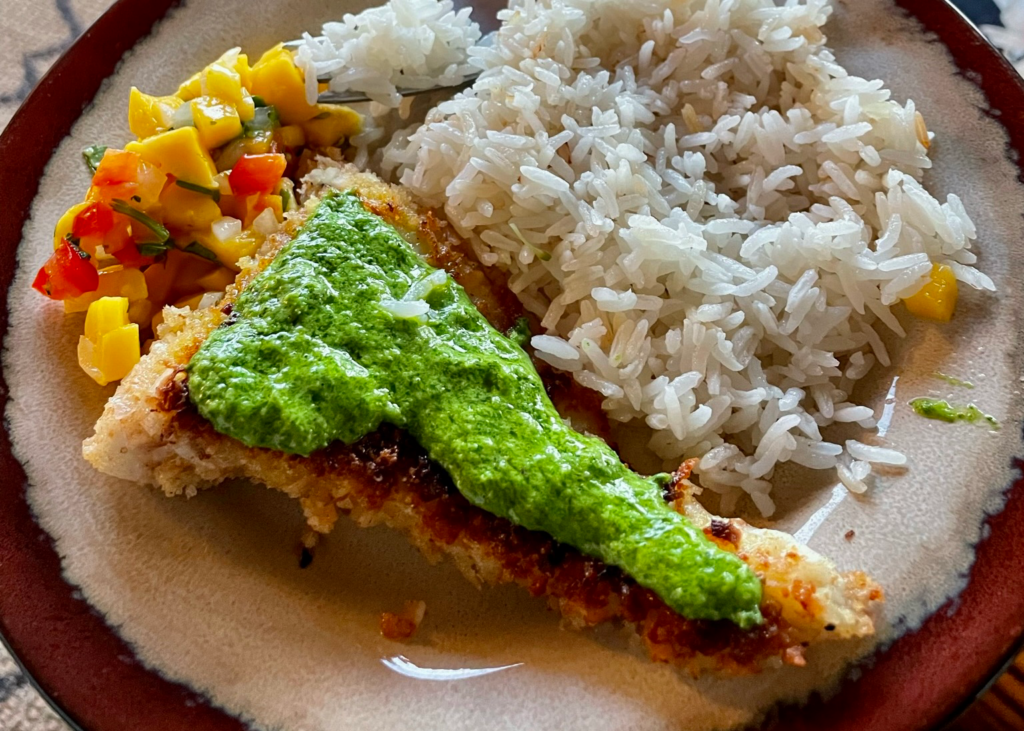
You’ve invested heavily in your Alaska fishing adventure with Game Creek Guides—time away, the cost of the trip itself, and then the extra expense to have that beautiful catch processed, vacuum-sealed, and shipped straight to your door. By the time that precious box arrives, it represents some of the finest seafood on the planet—and you absolutely don’t want a single portion to go to waste.
This guide will walk you through each step, from safe thawing to simple, delicious cooking methods, so your hard-earned catch tastes just as incredible at home as it would fresh off the boat.
1. Safe Thawing: Don’t Rush It
The biggest mistake we see? People thawing fish too quickly and ending up with mushy texture or uneven cooking.
Best Method: Refrigerator Thawing
- Place the vacuum-sealed packages on a tray in the refrigerator.
- Allow 24–48 hours for salmon fillets or portions.
- Larger halibut or lingcod pieces may need up to 72 hours.
This slow thaw keeps the flesh firm and prevents bacterial growth.
Quick-Thaw Option (When You’re in a Hurry)
- Submerge the sealed package in cold water.
- Change the water every 30 minutes.
- Most portions thaw in 1–2 hours.
Never use warm or hot water—it cooks the outer layer and ruins the texture. Avoid thawing fish on the counter or in the microwave unless you plan to cook it immediately after a short defrost cycle.
2. Storage Guidelines After Thawing
- Once thawed, cook the fish within 1–2 days for peak flavor and safety.
- Keep it refrigerated at 35–40°F.
- If you won’t cook it right away, you can refreeze it, but texture may soften slightly. It is best to cook first and then freeze cooked portions.
3. Prepping Your Fish for Cooking
Our processors typically portion most fish into convenient meal-sized pieces before vacuum-sealing and flash-freezing. Occasionally, you may receive larger fillets or steaks, which are perfect for customizing to your needs.
A few simple preparation steps can make a big difference in texture and flavor.
Cut to fit your meal: If you have larger pieces, cut them while still partially frozen. The knife glides through cleanly with less mess, allowing you to portion the fish exactly how you want it.
Remove excess moisture: After thawing, gently press each piece between paper towels to remove excess water. This helps create a firmer texture and better sear, preventing the fish from steaming in the pan.
Remove pin bones: Run your fingers above the centerline of each fillet to locate any pin bones, then remove them with needle-nose pliers or fish tweezers.
Pre-salt for better texture and seasoning: Lightly salt the portions (about ½ teaspoon kosher salt per pound) and let them sit uncovered in the refrigerator for a few hours or overnight. This dry-brine firms up the flesh and allows the seasoning to penetrate more evenly.
Coat with olive oil: Right before cooking, coat the fish with a good-quality extra-virgin olive oil. This helps create a nice crust, prevents sticking, and adds richness.
4. Cooking Methods That Highlight Alaska Flavor
Wild Alaska fish is naturally flavorful and doesn’t require complicated preparation. Simple seasoning—salt, pepper, lemon, or a little garlic—lets the fish shine.
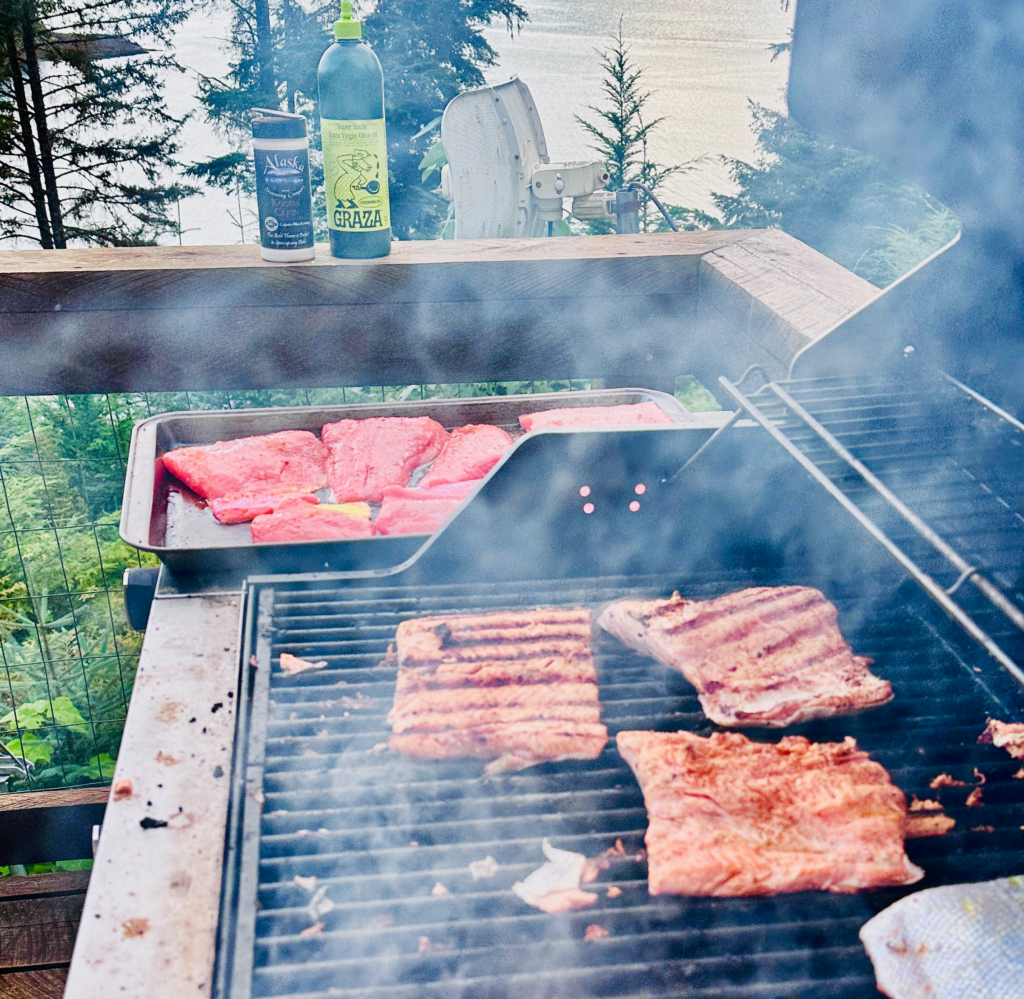
Grilling
- Perfect for salmon, rockfish, and lingcod.
- Preheat grill to 400–450°F.
- Oil the grates well and lightly brush the fish with oil.
- For skin-on fillets, start flesh side down.
- Cook 4–6 minutes per ½ inch thickness, then flip to skin side down to finish cooking.
Baking or Roasting
- Great all-around method, especially for halibut.
- Preheat oven to 400°F.
- Place portions on a parchment-lined sheet.
- Season and add a pat of butter or drizzle of olive oil.
- Bake 10–15 minutes until the fish flakes easily.
The USDA guideline recommends an internal temperature of 145°F, although many experienced cooks pull the fish at 125–130°F for a slightly more tender result.
Pan-Searing
- Ideal for crispy skin on salmon or rockfish.
- Heat a heavy skillet (cast iron works best) over medium-high heat.
- Add oil and place fish skin-side down.
- Press gently with a spatula for about 30 seconds to keep the skin flat.
- Cook about 70–80% of the time on the skin side, then flip briefly to finish.
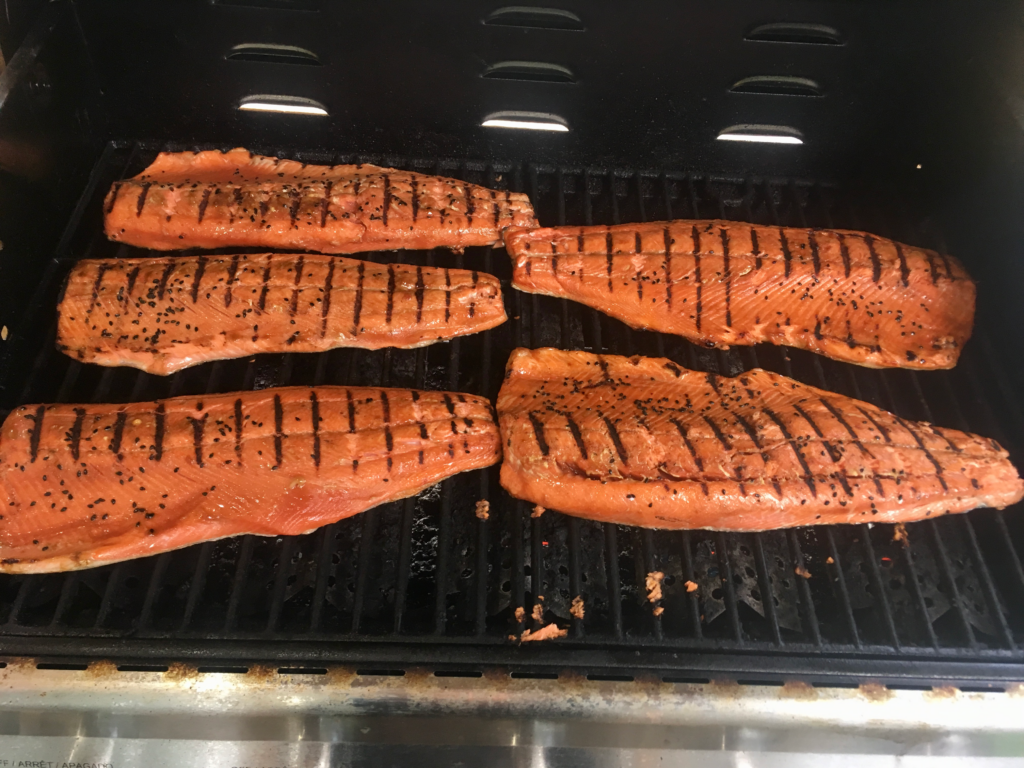
Smoking
- The classic Alaska method.
- Hot-smoke at 225°F until the fish reaches an internal temperature of 145°F.
- This typically takes 2–4 hours depending on thickness.
- Use alder wood for authentic Alaska flavor.
Before smoking, brine the fish using:
- 1 cup kosher salt
- 1 cup brown sugar
- 1 gallon of water
Soak the fish for 6–12 hours, then allow it to dry so a thin “pellicle” or skin forms on the surface. This helps the smoke adhere and improves the final flavor.
Useful External Links for More Recipes
- Alaska Seafood Marketing Institute Recipes – Hundreds of tested wild Alaska seafood recipes.
- NOAA FishWatch Species Profiles – Sustainability information and cooking tips for different species.
- Wild Alaska Salmon & Seafood Recipes – A large collection of recipes for salmon and halibut.
Common Mistakes to Avoid
- Overcooking: Remove the fish from heat just as it begins to flake.
- Too much seasoning: Heavy sauces can overpower the natural flavor.
- Microwave thawing on full power: This creates tough, dry spots.
- Refreezing raw thawed fish: Texture can degrade quickly if it is not cooked first.
Bring Home More Next Time
There’s simply no substitute for cooking fish that you fought and landed yourself on an unforgettable Alaska fishing trip. Game Creek Guides manages every step—from boats and tackle to cleaning, filleting, and professional processing—so your catch arrives home pristine and ready for the freezer.
Ready to do it again? Our 2026 fishing dates are filling quickly. Contact us to start planning your next Alaska fishing adventure.